Sod Installation for an Instant Lawn
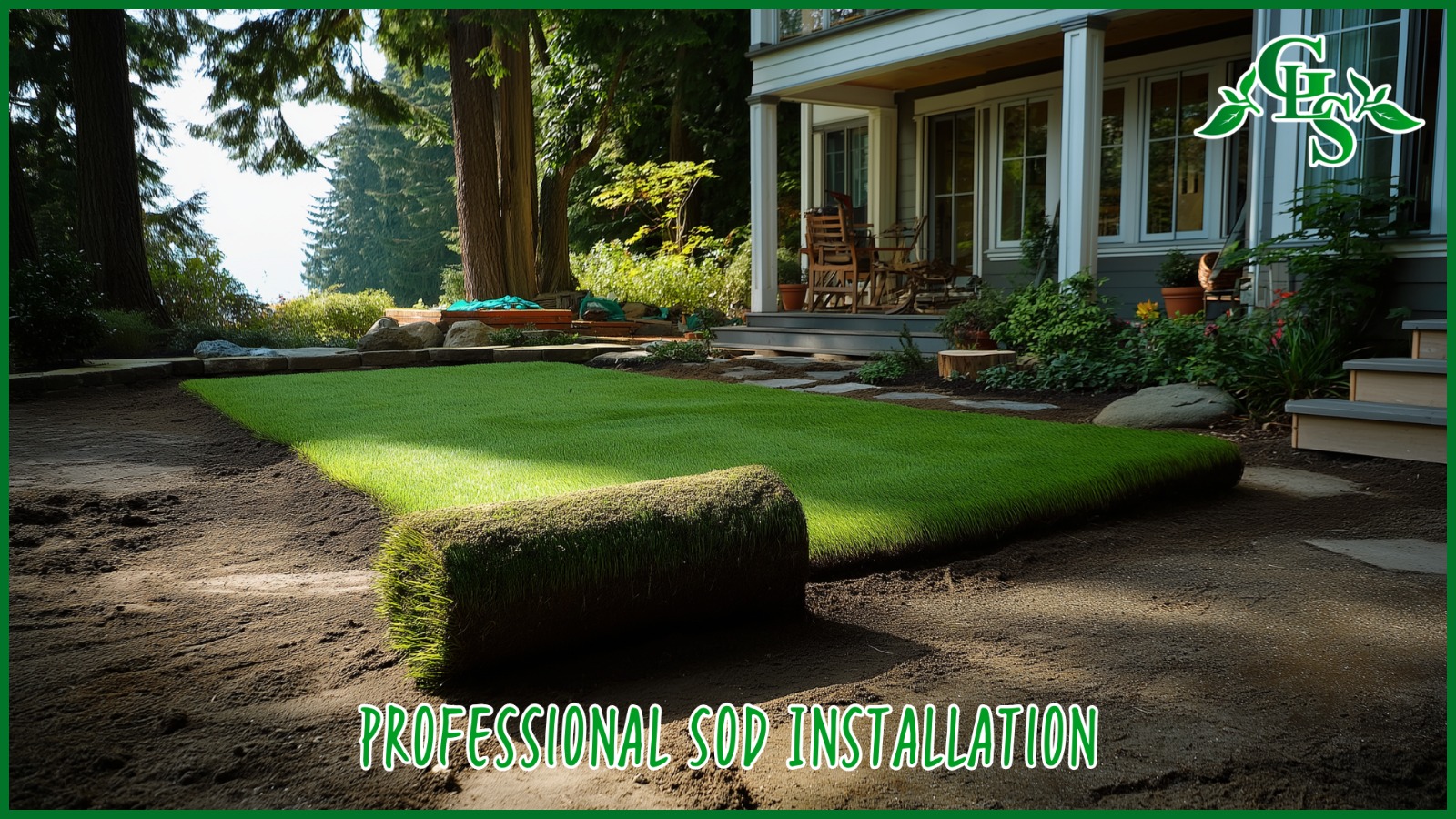
Getting a brand new lawn doesn’t have to mean waiting months for grass seed to fill in. Sod installation gives you an instant carpet of mature grass that’s ready to use in just a few weeks. Whether you’re starting from scratch on a new construction site or replacing a struggling lawn, laying sod offers immediate results that seed simply can’t match.
What Makes Sod Different from Lawn Seeding?
Grass sod is mature turf grown at a sod farm, harvested with a thin layer of soil still attached to the roots, then rolled or stacked for delivery. You’re essentially transplanting a fully grown lawn rather than starting from scratch.
Sod delivery brings fresh rolls or pallets right to your property, usually cut the same day or night before to ensure maximum freshness.
Lawn seeding costs less upfront but requires months of careful watering, staying off the area, and dealing with patchy germination.
Grass installation with sod allows you to walk on your new lawn within 2-3 weeks and have full use within a month. It also prevents erosion immediately, which is critical if you’re dealing with slopes or areas prone to washing out. The instant coverage prevents weed seeds from establishing.
How Do You Prepare for Turf Laying?
Proper sod preparation makes the difference between sod that thrives for decades and turf that struggles from day one. Start by removing existing grass, weeds, and debris from the area. Old lawn removal usually means applying herbicide to kill everything first, then removing the dead material, or using a sod cutter to remove it all at once.
Lawn grading ensures water drains away from buildings and doesn’t create low spots where puddles form. The ground should slope gently at about a 1-2% grade. Soil testing reveals what amendments you need to add before laying sod. Most grass types prefer slightly acidic soil with good fertility.
Soil aeration might be needed if you’re working with heavily compacted earth. Spread compost or topsoil to create a 4-6-inch layer of quality growing medium, then rake it smooth and level.
What’s Involved in the Actual Grass Installation Process?
Turf installation must occur quickly once sod arrives, as it’s a living product that deteriorates quickly. Start laying sod along the longest straight edge, such as a driveway or sidewalk, working across the area in a brick-like pattern with staggered seams. Press edges tightly together without overlapping or leaving gaps.
Each piece of sod should make full contact with the soil below. Roll the lawn with a water-filled roller after installation to eliminate air pockets and ensure good root-to-soil contact. Trim edges with a sharp knife to fit curves, borders, or irregular shapes. The grass-laying process moves faster with helpers because sod is heavy and time-sensitive.
How Much Does Sod Installation Actually Cost?
Lawn installation pricing depends on sod type, site preparation requirements, and whether you’re doing the work yourself or hiring professionals. The sod itself typically costs between $1 and $2 per square foot, though premium grass types or small quantities may be higher. Don’t forget to budget for soil amendments, delivery fees, equipment rental (if you’re doing it yourself), and the removal of old lawn material.
Landscape installation companies charge for labor, but they also have the proper equipment and expertise to prevent costly mistakes. They can handle challenging terrain, get better pricing on materials, and complete the job much faster than weekend warriors.
Artificial grass installation costs significantly more upfront but eliminates ongoing maintenance, though most people still prefer the real thing.
Which Grass Types Work Best for Your Area?
The right turf grass for your property depends on climate, sun exposure, and how you’ll use the lawn. Cool-season grasses like Kentucky bluegrass, perennial ryegrass, and tall fescue thrive in northern regions with cold winters. They stay green in cooler weather but can struggle during hot summers without adequate irrigation.
Warm-season varieties, including Bermuda, zoysia, and St. Augustine, love heat and go dormant (turn brown) during winter in most climates. They’re incredibly drought-tolerant once established and handle heavy foot traffic well. Many sod farms grow blends that combine grass seed varieties to improve overall performance across varying conditions. Ask about what grows best in your specific area rather than just picking what looks nice.
What Does New Sod Need to Survive?
Lawn irrigation is critical for the first few weeks after sod laying. New turf requires frequent, light watering to prevent roots from drying out before they establish in the soil. Plan to water 2-3 times daily for the first week, then gradually reduce the frequency as roots take hold. Lift a corner of sod occasionally to check that both the turf and soil beneath stay moist.
After about two weeks, roots should be growing into your soil. Start transitioning to deeper, less frequent watering that encourages roots to grow downward. Avoid walking on new sod whenever possible during the establishment period.
Most installations are ready for their first mowing when grass reaches about 3-4 inches, typically 2-3 weeks after installation, depending on season and weather.
When Should You Start Regular Lawn Maintenance?
Your new lawn needs lawn fertilization about 4-6 weeks after installation, once roots are established. Use a balanced fertilizer that won’t burn tender new growth.
Weed control products should be delayed even longer, as new turf is more sensitive to herbicides. Hand-pull any weeds that pop up during the first couple of months.
Regular grass maintenance, such as mowing, aeration, and fertilization, follows standard schedules once your sod is established. Lawn aeration isn’t usually needed for a year or two since you started with loose, prepared soil.
As your lawn matures, it’ll need the same lawn care as any other turf, including weed control, proper mowing, and seasonal treatments.
Can You Install Sod Yourself or Should You Hire Pros?
Small areas might be manageable DIY projects if you’re reasonably handy and don’t mind hard physical labor. Rent a sod cutter for old lawn removal and a roller for compacting the new turf. Make sure you have enough help since fresh sod is heavy and you need to get it installed quickly. Watch videos on proper technique before starting.
Professional grass installation is recommended for larger areas, challenging terrain, or when you want guaranteed results. Landscaping services have the equipment and experience to handle site grading, soil amendments, and perfect sod laying techniques.
They can also source the best grass types for your conditions and get it installed faster than you could manage alone. The labor cost often proves worthwhile when you factor in tool rental, your time, and the risk of expensive mistakes.
What About Long-Term Turf Maintenance?
Once established, your sod becomes a regular lawn that needs consistent attention to stay healthy. Grass cutting at the proper height strengthens roots and prevents weed invasion. Most turf grass does best when kept between 2.5-4 inches, depending on variety. Sharp mower blades make clean cuts that heal quickly.
Fertilization schedules depend on your grass type and climate, but most lawns benefit from feeding 3-4 times per year. Lawn pest control addresses grubs and other insects before they cause visible damage.
Overseeding might eventually be needed to fill thin areas, though properly installed and maintained sod can last for decades. Regular turf maintenance keeps your investment looking great year after year.
Making Your Sod Installation Successful
Installing new turf transforms your property faster than any other landscaping project. The key is starting with thorough soil preparation that gives roots the best environment to establish quickly.
Choose grass sod appropriate for your climate and conditions, rather than selecting the cheapest option. Commit to the watering schedule during those first few weeks, since neglect during establishment can ruin an otherwise perfect lawn installation.
Most homeowners find that investing in quality turf laying, whether DIY or professional, pays off in years of beautiful, functional outdoor space.
Frequently Asked Questions
How long will it take before I can use my new sod lawn?
Light foot traffic is acceptable after 2-3 weeks, once roots begin to establish, but avoid heavy use for 4-6 weeks until the turf fully anchors.
What time of year is best for sod installation?
Early fall offers ideal conditions in most regions, though spring works well too, and sod can be installed almost any time the ground isn’t frozen.
How often should I water newly installed sod?
Water 2-3 times daily for the first week to keep the sod moist, then gradually reduce frequency while increasing depth as roots establish.
Why is my new sod turning brown at the edges?
Brown edges usually indicate inadequate watering or poor soil contact, so check that sod pieces are firmly pressed against moist soil throughout.
Can I lay sod over existing grass?
No, old grass must be completely removed first so new sod roots can establish directly into the soil rather than competing with existing vegetation.
How thick should topsoil be before laying sod?
Aim for 4-6 inches of high-quality topsoil or amended soil to provide roots with adequate depth for establishment and long-term health.