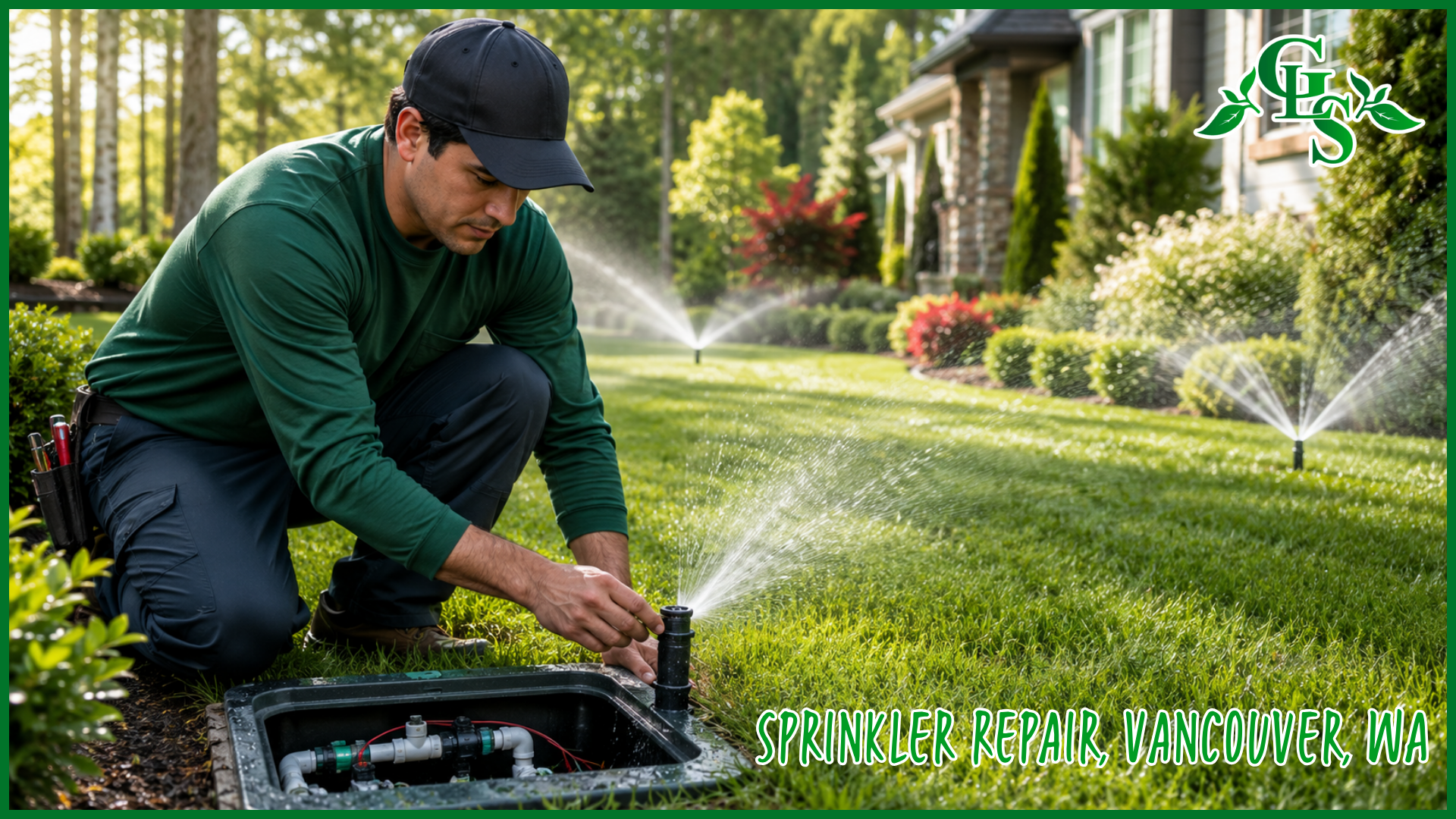
Master Your Green Space: The Ultimate Guide To A Perfect Lawn Care Schedule
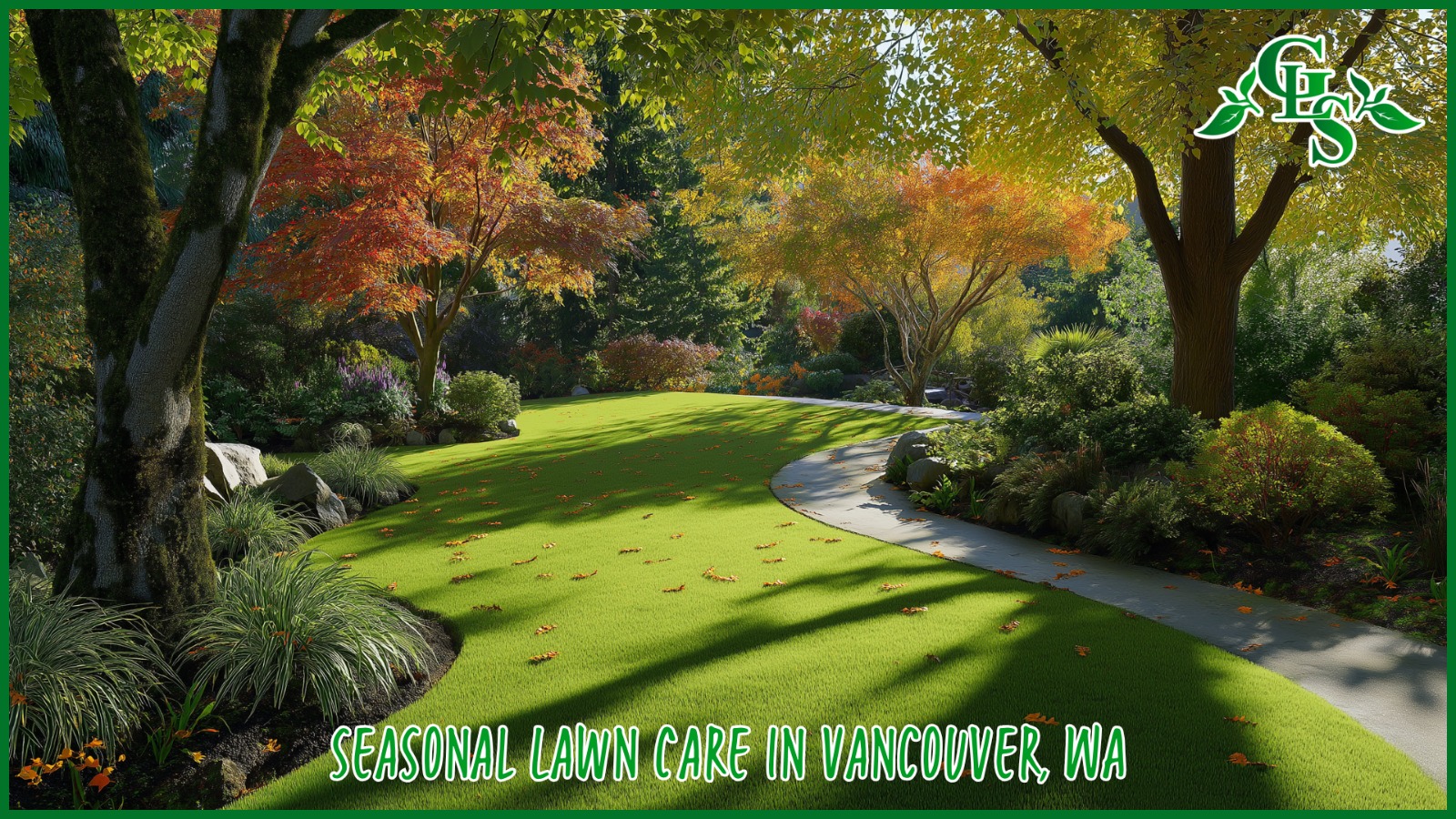
Importance of a Lawn Care Schedule
A healthy lawn requires attention and planning. Following a structured lawn care schedule improves grass thickness, color, and durability. Consistent care reduces the risk of weeds, soil compaction, and lawn diseases. It also prevents costly repairs while enhancing your property’s visual appeal. Scheduling tasks for each season helps grass thrive naturally. Soil nutrition, irrigation, and mowing work together to create a lawn that is resilient and attractive year-round.
Seasonal Lawn Care Steps for Every Homeowner
Winter Lawn Care Tips for Dormant Grass
During winter, grass enters dormancy to conserve energy. Understanding this stage is vital for planning maintenance. Avoid heavy foot traffic, which can damage fragile grass. Prevent snow mold by lightly brushing off accumulated snow and ensuring proper drainage. Occasional winter watering keeps roots hydrated, particularly in dry climates. Proper planning now reduces spring repair needs.
Spring Lawn Preparation for Strong Growth
Spring marks the start of active growth. Remove thatch buildup to allow nutrients and water to reach the roots. Aeration loosens compacted soil and improves oxygen flow. Apply a balanced fertilizer to support vigorous growth. Early weed control is critical, as weeds compete for resources. Spring is also a good time to inspect your gutters and other property structures to ensure water runoff does not harm your lawn.
Summer Maintenance Techniques for Thriving Grass
Summer heat stresses lawns, so mowing correctly is essential. Keep blades higher to shade roots and retain moisture. Water deeply in the early morning to reduce evaporation. Monitor for pests and treat infestations promptly. Use gutter protection and clean gutter supplies to prevent overflow from damaging your lawn during heavy rain. Regular observation helps prevent small issues from becoming major problems.
Fall Tasks for a Lush Winter-Ready Lawn
Fall is critical for recovery and preparation. Remove fallen leaves to avoid smothering the grass. Overseeding fills thin patches and increases density. Apply a final round of fertilizer to strengthen roots before winter. Check vinyl gutters and roof drainage to prevent water pooling near your lawn. Proper fall care ensures a strong start in spring.
Essential Lawn Care Tools Every Homeowner Needs
The right tools make maintenance more efficient. Lawnmowers, rakes, aerators, and spreaders are essential for daily and seasonal tasks. Regularly clean and sharpen equipment for optimal performance. Storing tools properly prevents rust and extends their lifespan. Efficient use of tools ensures your lawn care schedule is both practical and achievable. Investing in high-quality tools saves time and prevents uneven lawn care. Understanding each tool’s purpose ensures you apply the right technique for healthy grass growth.
Common Lawn Problems and How to Solve Them
Brown patches, fungal infections, and soil compaction are common challenges. Early identification allows faster treatment. Use targeted fungicides and natural remedies to treat diseases. Pest control and weed management protect healthy grass from damage. Proactive solutions reduce long-term maintenance costs. Observing patterns in your lawn helps prevent recurring issues and ensures consistent growth. Maintaining proper soil pH and nutrient balance also reduces disease susceptibility. Regular inspections allow you to catch problems before they spread and affect larger areas.
Professional Lawn Care Services That Deliver Results
When to Hire a Lawn Care Professional
Large yards, poor soil conditions, and persistent pest problems require expert attention. Professionals provide efficient solutions for fertilization, aeration, and seasonal planning. Garcia Landscaping helps homeowners implement an effective lawn care schedule tailored to their property.
Selecting the Right Lawn Care Service
Choose a service with proven expertise, clear pricing, and positive client reviews. We at Garcia Landscaping combine experience and precision to maintain healthy lawns. H2: Advanced Tips for a Healthy Lawn
Best Practices for Lawn Maintenance
Mow consistently, water deeply, and fertilize according to the season. Avoid walking on wet areas to prevent soil compaction. Monitor grass for early signs of disease or pest activity. Following these steps keeps your lawn resilient and visually appealing.
Common Lawn Care Mistakes to Avoid
Overfertilization, excessive watering, and neglect of seasonal care reduce grass quality. Avoid mowing too short, which weakens the root system. A structured lawn care schedule prevents these errors and ensures long-term success.
Remember: Consistent Lawn Care Delivers Value
Regular maintenance increases property value, prevents costly repairs, and creates an enjoyable outdoor space. Adhering to a lawn care plan promotes thicker, greener grass. With careful planning, attention to seasonal needs, and expert support from Garcia Landscaping, you can achieve a lawn that thrives year-round. Investing in your yard ensures lasting beauty and usability.
Get Professional Lawn Care Services from Garcia Landscaping
Contact Garcia Landscaping today to create a customized lawn care schedule. We provide professional care, seasonal planning, and tools to keep your lawn healthy and beautiful all year.
Frequently Asked Questions
How often should I aerate my lawn?
Aeration should be done at least once a year, ideally in spring or fall. Aerating loosens compacted soil, improves water and nutrient absorption, and encourages deeper root growth.
Can I prevent weeds naturally?
Yes. Proper mowing, overseeding, and seasonal fertilization help create a dense, healthy lawn that crowds out weeds. Maintaining the correct mowing height and watering schedule strengthens grass and reduces weed growth. You can also use mulch in garden beds to minimize weed spread near your lawn.
How do I know if my lawn is overwatered?
Overwatering often shows as standing water, soft or muddy soil, yellowing grass, or fungal growth. Grass roots may become shallow, making the lawn more vulnerable to drought and disease.
Should I remove grass clippings?
Grass clippings can be left on the lawn to decompose naturally, returning nutrients like nitrogen to the soil. However, if clippings form thick layers, they can smother grass and block sunlight.
What is the best way to repair bare patches?
Bare patches should be reseeded with grass suitable for your climate and soil type. Prepare the soil by loosening it, adding compost if needed, and watering consistently until new grass is established. Protect the area from foot traffic and monitor for weeds to ensure healthy regrowth.