Everything You Need to Know About Fence Installation for Your Property
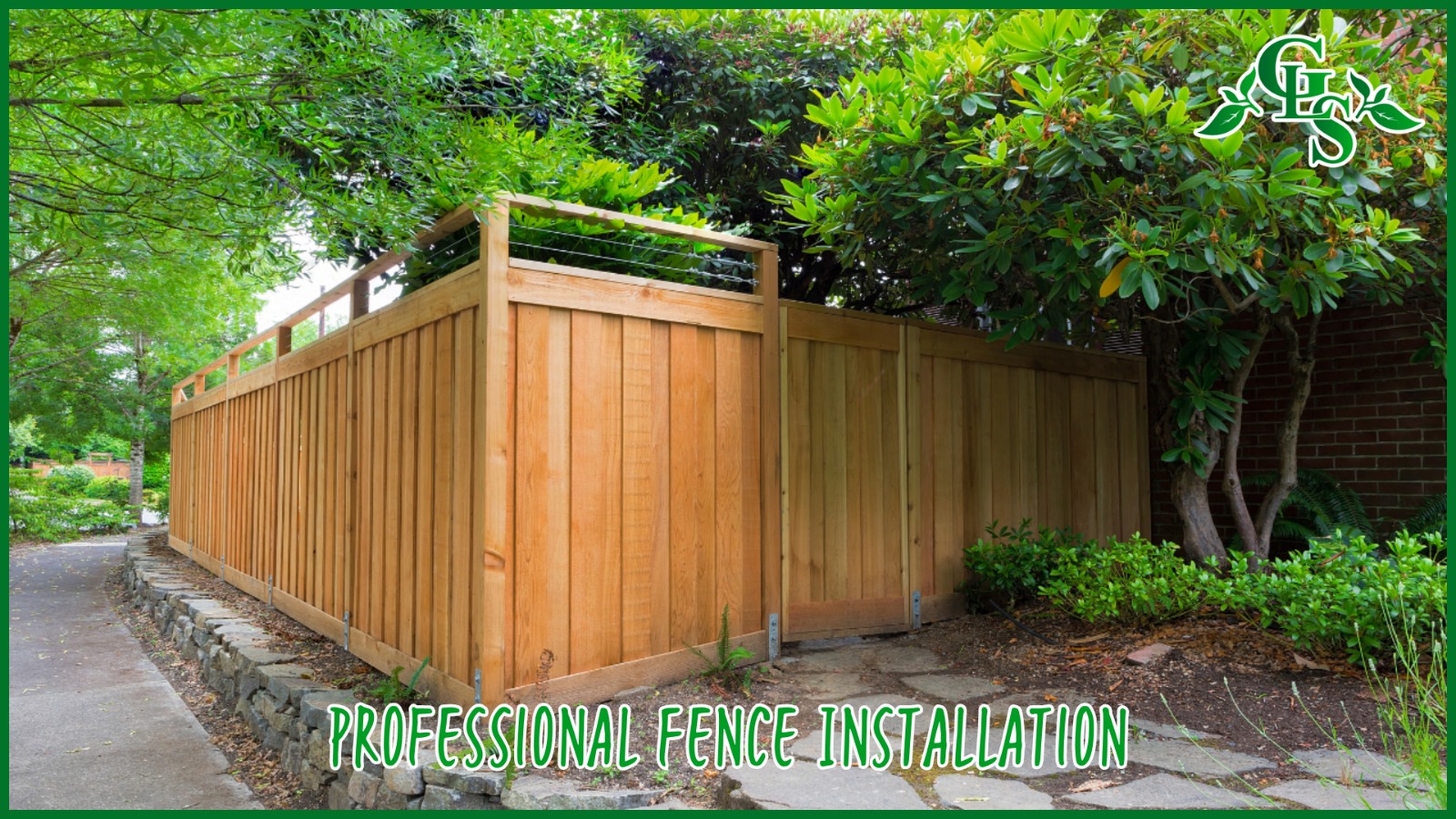
Adding a fence to your property is one of those projects that checks multiple boxes. You get privacy, security, defined property boundaries, and often a nice boost to your home’s overall appearance.
But before you start digging post holes or calling fence contractors, there’s quite a bit to consider to make sure your project goes smoothly, and you end up with something you’ll be happy with for years.
How Do You Choose the Right Fence Materials?
The fence materials you pick will determine how your fence looks, how long it lasts, and how much maintenance you’ll be doing down the road.
Wood fencing remains popular because it’s versatile and can fit almost any style, from rustic split-rail to classic picket designs. Cedar and redwood naturally resist rot and insects, while pressure-treated pine offers a budget-friendly option that still holds up well.
Vinyl fencing has gained serious traction with homeowners who want the look of wood without the upkeep. It won’t rot, warp, or need painting, and it cleans up easily with just soap and water.
Chain-link fencing might not win beauty contests, but it’s highly durable and cost-effective, especially for larger properties or backyards where aesthetics matter less.
Aluminum fencing offers an elegant look similar to wrought iron without rust, while composite fencing blends recycled materials for an eco-friendly option that resists fading and splitting.
What Do Fence Contractors Actually Provide?
Professional fence builders do way more than just put up posts and panels. Good fence companies start with a thorough site assessment, checking for underground utilities, drainage issues, and any obstacles that might complicate installation.
They understand local building codes and can handle the permit application process, saving you potential headaches with your municipality.
Experienced fence contractors know how to deal with uneven terrain, rocky soil, and tricky property corners that would stump most DIY attempts. They have the right equipment to set posts properly, which is critical because poorly installed posts can cause fences to sag or lean, requiring premature replacement. Quality fence services also include custom fence design options that match your home’s architecture and meet your specific needs.
How Much Does Fence Installation Cost?
Fence pricing varies widely depending on materials, height, length, and installation complexity. Fence installation costs typically include both material and labor, and getting clear estimates upfront prevents surprises later.
Wood fences generally fall mid-range in price, while vinyl and composite options cost more upfront but may save money over time through reduced maintenance.
Chain-link fencing typically offers the lowest cost per linear foot, making it practical for enclosing large areas on a budget. Aluminum and ornamental fences sit at the higher end of the price spectrum.
A fence cost estimator can give you ballpark figures, but actual quotes from local fence companies account for your specific site conditions. Don’t forget to factor in fence gate installation, removal of old fencing if applicable, and any required grading or leveling work.
What Fence Permits and Regulations Apply?
Most municipalities require building permits for fence construction; ignoring this step can result in fines or requiring you to remove your new fence.
Zoning regulations dictate where you can place fences, how tall they can be, and sometimes even what materials you can use.
Fence height restrictions typically max out at six feet for backyard privacy fences and four feet for front yard fences, though this varies by location.
Property boundaries need to be clearly established before installation begins. Building a fence even a few inches over your property line, can create legal disputes with neighbors and require expensive relocation. Many areas require a survey to confirm exact property lines.
Homeowners’ association rules often add another layer of requirements, specifying approved fence styles, colors, and materials that maintain neighborhood aesthetics. Your fence contractors should be familiar with local zoning laws and be able to navigate these requirements.
What Fence Types Work Best for Different Needs?
Privacy fences use solid panels or boards with minimal gaps, creating secluded outdoor spaces perfect for pools, patios, or just enjoying your yard without feeling exposed. These typically stand six feet tall and are compatible with wood, vinyl, and composite materials. If you’re primarily concerned with keeping children or pets safely contained, you may not need full privacy and can opt for more affordable options.
Decorative fences prioritize appearance and property definition over total privacy. Picket fences, split-rail designs, and aluminum ornamental styles add charm and curb appeal while maintaining an open, friendly feel. Chain link fences excel at security and pet containment without blocking views or airflow, and you can always add privacy slats later if your needs change. Each fence type has sweet spots where it really shines.
How Do You Handle Fence Repair and Maintenance?
Even high-quality fences require occasional repairs to remain functional and attractive. Fence post repair often becomes necessary when posts rot at ground level or shift due to frost heave. Catching these issues early prevents the entire fence section from failing. Fence panel replacement might be needed after storm damage or when wood panels rot beyond saving.
Regular fence maintenance significantly extends your fence’s lifespan. Wood fences benefit from fence painting or staining every few years to protect against moisture and UV damage. Fence cleaning removes mildew, dirt, and algae that can degrade materials over time.
Vinyl and aluminum fences require less maintenance but still require periodic inspections to check for loose hardware, damaged sections, or posts that are settling. Trimming vegetation away from your fence prevents moisture buildup and makes fence maintenance easier.
Should You DIY or Hire Professional Fence Services?
Installing a small, straight fence section on level ground may be manageable for experienced DIYers with the right tools. But most fence installation projects benefit from professional expertise.
Fence builders use specialized equipment, such as power augers, to quickly dig post holes in difficult soil. They understand proper depth requirements, concrete mixing, and spacing that prevent future problems.
Professional fence construction includes warranties for both materials and workmanship, providing recourse if issues arise. They also handle the permit process and ensure compliance with all fence regulations, property line requirements, and homeowner association rules. The time savings alone often justify the cost, especially for longer fence runs or challenging terrain.
Planning Your Fence Installation Project
Getting a new fence installed properly transforms your property’s functionality and appearance. Start by clarifying your main goals, whether that’s privacy, security, pet containment, or aesthetics.
Research fence materials that fit your budget and maintenance preferences, then get quotes from several reputable fence contractors in your area. Reviewing their previous work and reading customer reviews helps identify quality fence companies to hire.
Taking time upfront to understand fence permits, choose an appropriate fence design, and select the right fence types for your needs leads to a finished project you’ll enjoy for many years.
Frequently Asked Questions
How long does fence installation typically take?
Most residential fence projects take 1-3 days, depending on length, terrain, and material type, though permit approval can add weeks to the overall timeline.
Do I need to talk to my neighbors before installing a fence?
It’s courteous and often legally required to inform neighbors, especially if the fence sits on or near the property line, and some areas require written neighbor consent.
What’s the most low-maintenance fence material?
Vinyl and aluminum fencing require the least upkeep since they don’t need painting or staining and resist rot, rust, and insect damage.
How deep should fence posts be set?
Posts should be buried at least one-third of their total length, typically 2-3 feet deep, and deeper in areas with frost heave or sandy soil.
Can I install a fence right on my property line?
Laws vary by location, but many areas require fences to be set back slightly from the property line, and it’s wise to have a survey done first.
How often does a wood fence need to be stained or painted?
Most wood fences benefit from restaining every 2-3 years, though this depends on climate, sun exposure, and the quality of previous finishes.