Beautify Your Backyard with Professional Deck Building Services
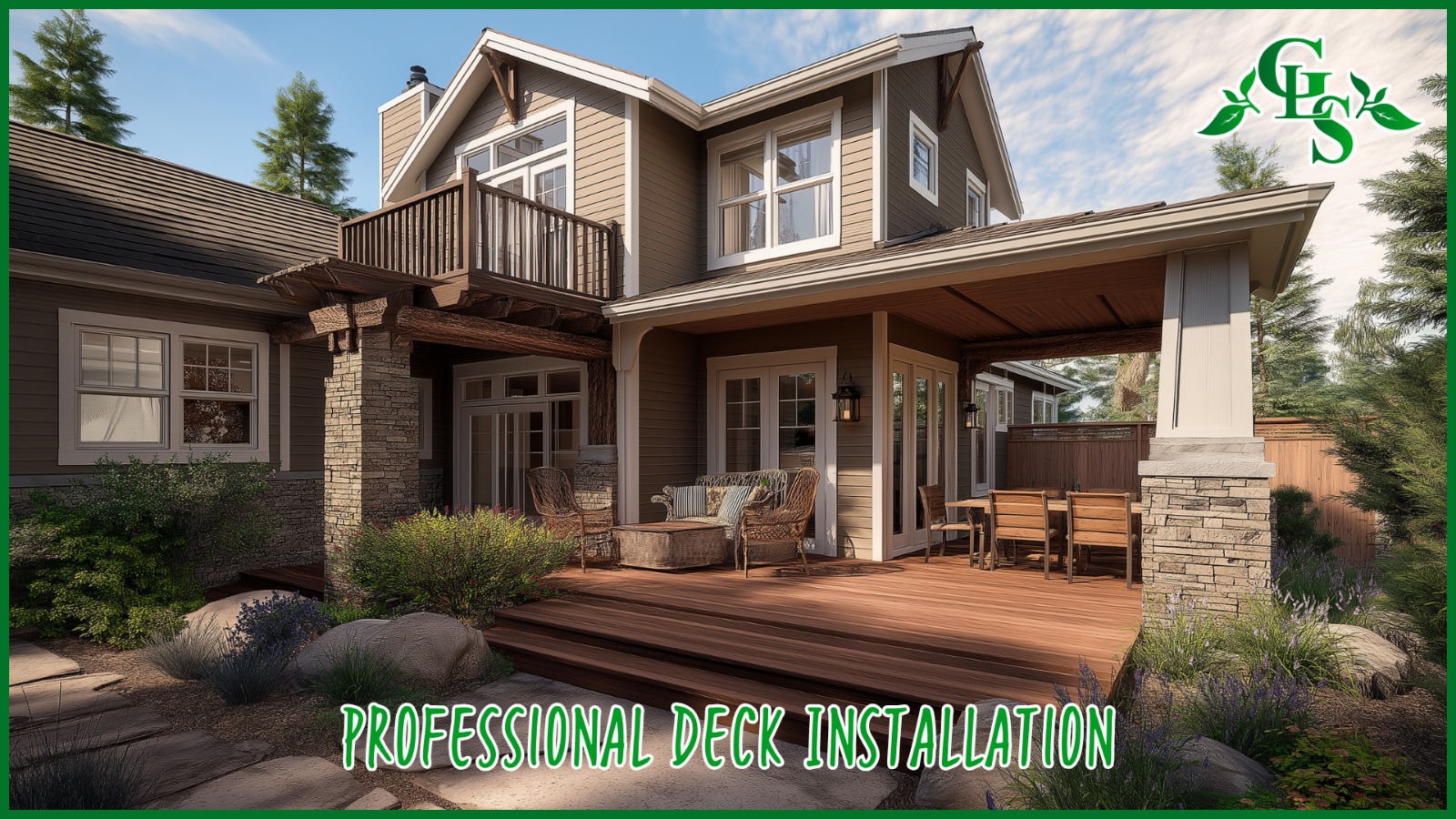
Adding a deck to your home instantly expands your living space and creates a dedicated spot for everything from morning coffee to weekend barbecues.
Professional deck building services bring the expertise and tools needed to build structures that look great, function properly, and last for decades.
Whether you’re starting from scratch or updating an existing structure, understanding what goes into quality deck construction helps you make smart decisions about your project.
What Do Professional Deck Builders Actually Handle?
Quality deck construction involves way more than just nailing boards together. Professional builders start with site evaluation to assess grade, drainage, soil conditions, and access.
They pull necessary permits and ensure the design meets local building codes for things like railing height, joist spacing, and footing depth. Experienced contractors know how to work around obstacles like trees, utility lines, and tricky terrain.
Deck builders also coordinate all the different trades needed for complex projects. Electricians might run power for outdoor lighting or outlets. Plumbers could install gas lines for built-in grills.
The best deck building services act as general contractors who manage the entire process so you don’t have to juggle multiple companies. They also carry proper insurance and warranties that protect you if something goes wrong.
How Does Custom Deck Design Work?
Custom deck design tailors the structure to how you actually live and use your outdoor space. Maybe you need separate zones for dining and lounging, built-in seating to maximize usable area, or specific dimensions to fit existing landscape features. A skilled designer considers sun exposure, views you want to emphasize or block, and traffic flow between your house and yard.
Deck design also addresses practical elements such as stairs, railings, and how the deck connects to your home. Multi-level decks work great for sloped lots or creating distinct outdoor rooms. Pergola design might be incorporated to provide partial shade without fully enclosing the space. Good outdoor living spaces blend aesthetics with functionality, giving you a deck that’s both beautiful and genuinely useful for your lifestyle.
What Are Your Options for Decking Materials?
Wood decking remains popular because it looks natural and feels great underfoot. Pressure-treated wood offers the most affordable option and can last 15-20 years with proper maintenance.
Cedar decking costs more but naturally resists rot and insects while offering beautiful color and grain. Both require regular deck staining and deck sealing to protect against moisture and UV damage.
Composite decking blends wood fibers with plastic polymers to create low-maintenance boards that resist fading, staining, and splintering. You won’t need to worry about deck refinishing every few years, just occasional deck cleaning with soap and water.
PVC decking takes this even further with all-plastic construction that’s completely impervious to moisture. These materials cost more upfront but save on maintenance time and expense over the deck’s lifetime.
How Much Does Deck Construction Actually Cost?
Deck installation pricing varies wildly based on size, materials, complexity, and your location. Basic pressure-treated wood decks typically cost less per square foot than composite or exotic hardwood options.
Adding features like built-in seating, pergola construction, or custom railings increases costs but also adds functionality and visual interest.
Don’t forget expenses beyond just materials and labor. Permits, inspections, site preparation, and removal of old structures all factor into the total project cost.
Many homeowners find that investing in quality deck construction upfront costs less than dealing with deck repair or deck replacement down the road when cheap materials or poor workmanship fail prematurely. Get detailed quotes from multiple contractors so you can compare apples to apples.
What’s Involved in Deck Repair and Maintenance?
Even well-built decks require periodic maintenance to remain safe and attractive. Wood decking requires deck cleaning, deck staining, and sealing every 2-3 years to protect against moisture damage and UV fading.
Composite decking needs less work but still benefits from annual cleaning to remove dirt, mildew, and debris. Regular deck inspections catch small problems before they become costly restoration projects.
Common deck repair issues include loose boards, wobbly railings, popped nails, and rotted joists or posts. Identifying structural issues early is critical to safety. Any soft, discolored, or damaged wood should be replaced promptly.
Deck restoration may include sanding weathered surfaces, replacing damaged boards, reinforcing connections, and applying fresh protective finishes. Sometimes, replacing a deck makes more sense than extensive repairs to older structures.
How Do Patios and Porches Compare to Decks?
Patio construction creates ground-level outdoor living spaces using materials such as pavers, concrete, and natural stone. Patios work great on level lots and generally cost less than elevated decks.
They require less maintenance because there’s no wood or composite to worry about, though you may encounter settling, weeds between pavers, or surface staining.
Porch installation extends your home’s roofline, creating a covered outdoor space. Porches feel more integrated with the house than standalone decks and provide protection from the sun and rain.
They’re perfect for areas where you want usable outdoor space year-round. Some projects combine multiple elements, such as a ground-level patio with an elevated deck, connected by stairs and coordinated design.
What About Pergolas and Gazebos?
Pergola builders create overhead structures that provide partial shade while maintaining an open, airy feel. Pergolas work beautifully over decks or patios, creating defined outdoor rooms without the enclosed feeling of a roof. You can train vines to grow over them for extra shade, hang outdoor curtains for privacy, or add retractable canopies for weather protection.
Gazebo construction builds freestanding structures with full roofs, often featuring screens or railings. Gazebos create true outdoor rooms perfect for dining areas, hot tubs, or garden focal points.
Gazebo installation requires solid foundations and proper drainage since they’re permanent structures. Both pergolas and gazebos add significant value to outdoor living spaces while expanding how you can use your yard.
Should You DIY or Hire Professional Deck Building Services?
Simple, ground-level decks might be manageable for experienced DIYers with good carpentry skills and proper tools. But most deck projects benefit enormously from professional expertise.
Deck builders understand structural requirements, proper flashing and waterproofing, and building codes that keep your deck safe and legal. They also work much faster than homeowners tackling weekend projects.
Professional contractors carry insurance that protects you from liability if someone gets hurt during construction. Their warranties cover both materials and workmanship, giving you recourse if problems develop.
Mistakes in deck construction can be expensive and dangerous to fix, so hiring pros often costs less in the long run than attempting complex projects yourself and getting it wrong.
Planning Your Outdoor Living Space
Think beyond just the deck itself when planning outdoor additions. Landscape design should complement your new structure, with plantings that soften edges and create privacy. Outdoor kitchens turn decks into true entertainment zones.
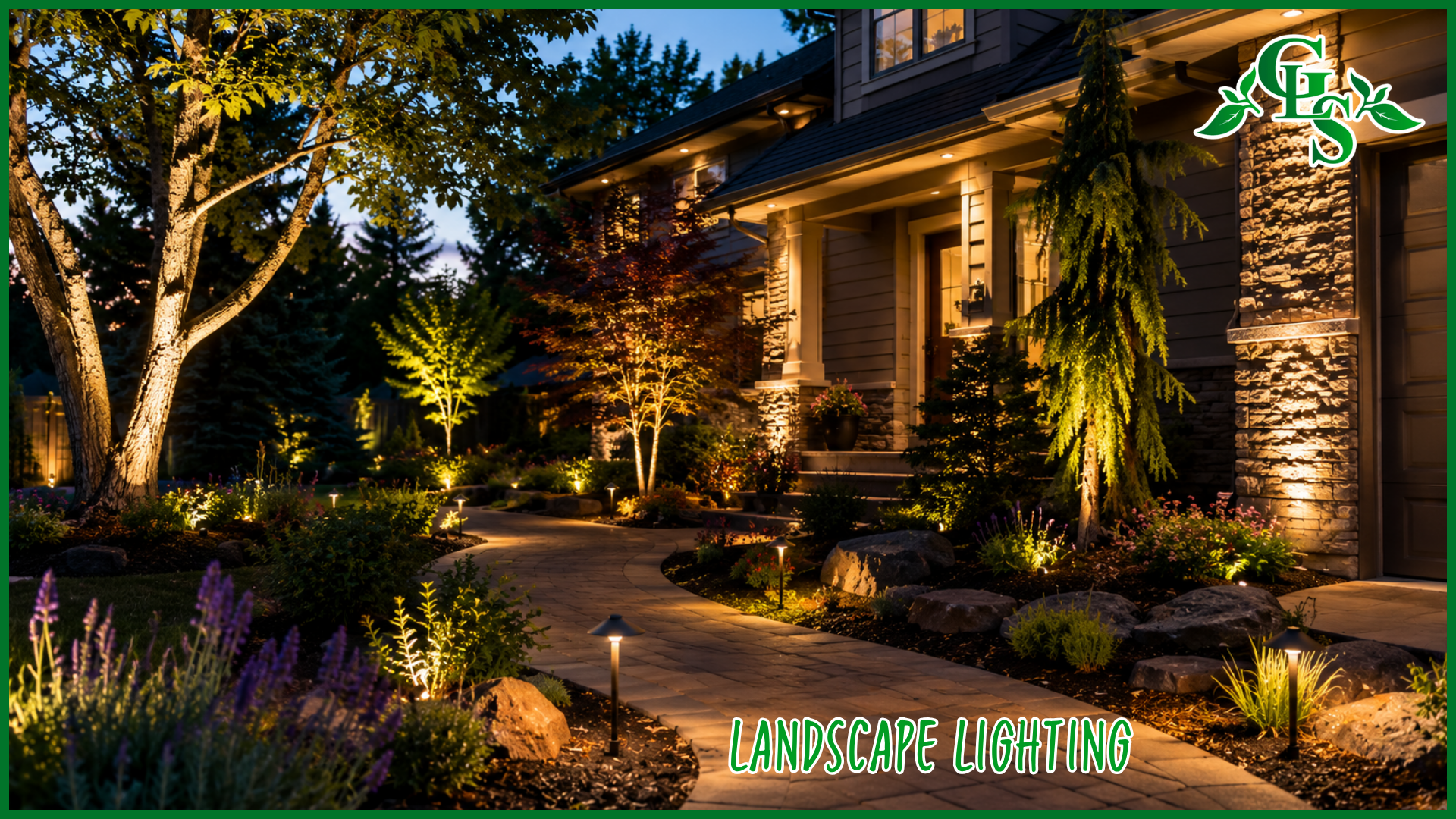
Landscape architecture principles help integrate hardscaping services like pathways that connect different areas of your yard. Even simple additions like quality outdoor lighting extend usable hours and create ambiance.
Consider how patio design or sunroom additions might work alongside or instead of a deck. Some properties benefit from combining different outdoor living spaces at various levels or in different zones. The goal is creating areas you’ll actually use rather than just checking boxes on a home improvement list.
Getting Your Deck Project Started
A well-designed deck changes how you experience your entire property. Start by clarifying what you really want from the space and how much you’re comfortable spending.
Research different decking materials to understand maintenance requirements and longevity. Interview several contractors to find someone whose style matches your vision and whose references are solid.
Quality deck building services transform ordinary backyards into extensions of your home that you’ll enjoy for many years to come.
Frequently Asked Questions
How long does it take to build a deck?
Most residential decks take 1-2 weeks to complete, depending on size and complexity, though permits and material delivery can extend the timeline.
Do I need a permit for deck construction?
Most municipalities require permits for decks attached to homes or elevated more than 30 inches, and inspections verify safety and code compliance.
What’s the best wood for outdoor decks?
Cedar and redwood offer natural rot resistance and beauty, but cost more, while pressure-treated pine provides durability at lower prices with proper maintenance.
How often should composite decking be cleaned?
Annual cleaning with soap and water removes dirt and mildew, though composite decks can go longer between cleanings than wood decks.
Can you build a deck over a concrete patio?
Yes, decks can be built over existing concrete using sleeper systems that create airflow while providing a base for deck boards.
What’s the typical lifespan of a wood deck?
Pressure-treated decks last 15-20 years, cedar 20-25 years, and properly maintained exotic hardwoods 25-30 years or more before needing replacement.