Your Guide to Lawn Care for a Healthy, Beautiful Yard
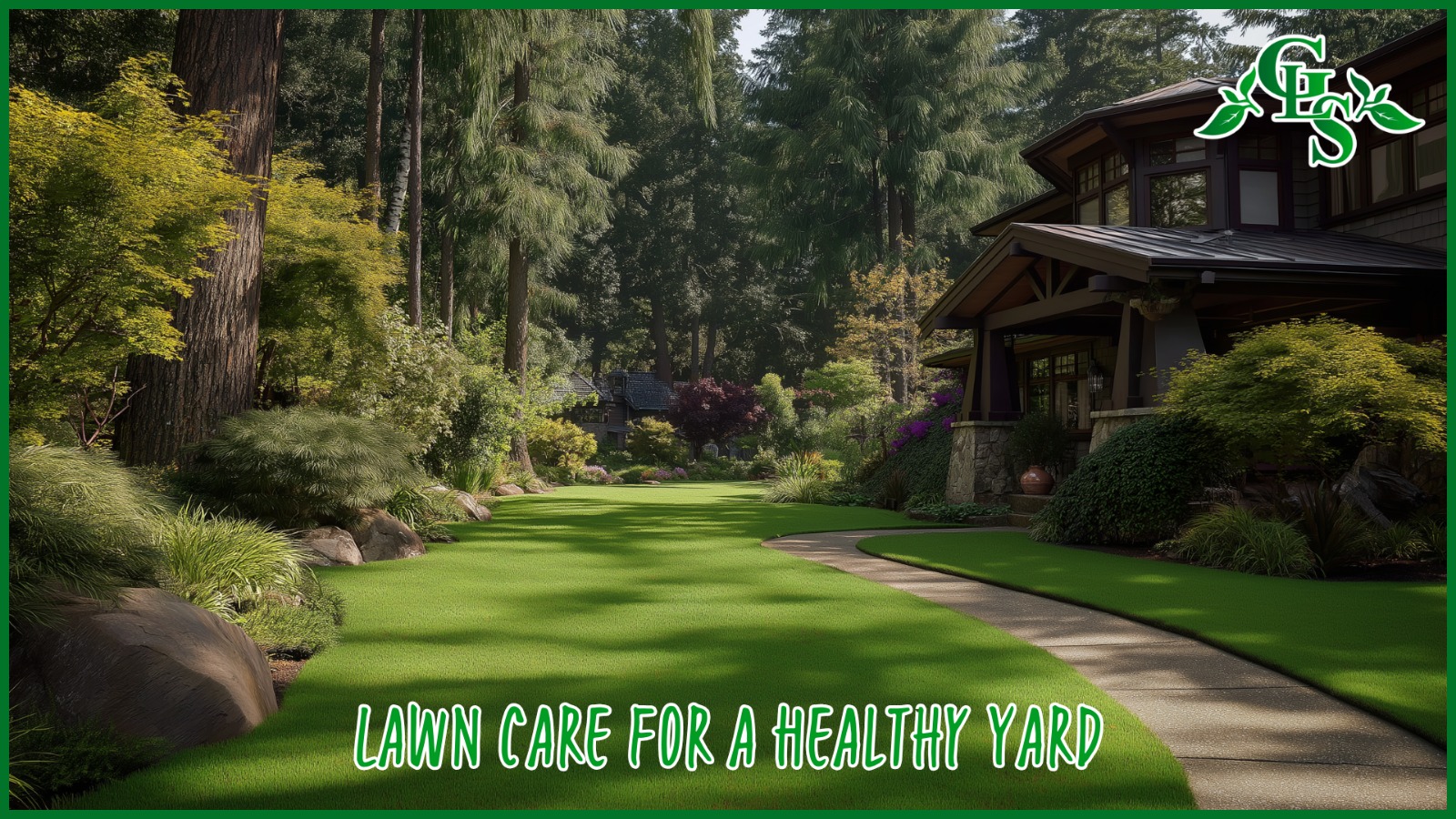
A healthy lawn doesn’t just happen by accident. It takes consistent lawn care practices that work together to create the thick, green turf you’re aiming for.
The good news is that once you understand what your grass actually needs and when it needs it, maintaining a great-looking yard becomes much more manageable than you might think.
Why Does Regular Lawn Mowing Matter So Much?
Lawn mowing is about way more than just keeping your grass short enough to satisfy the neighbors. Grass cutting at the right height and frequency actually strengthens your turf and helps it outcompete weeds.
Most grass types thrive when you cut off no more than one-third of the blade length at a time, which usually means mowing weekly during peak growing season.
Taller grass develops deeper roots, tolerates drought better, and shades out weed seeds trying to germinate. Set your lawn mower deck to about 3-4 inches for cool-season grasses and 2-3 inches for warm-season varieties.
Sharp mower blades make clean cuts that heal quickly, while dull blades tear grass and leave ragged edges that turn brown and invite disease. Regular turf care through proper mowing lays the foundation for everything else.
How Does Lawn Fertilization Keep Your Grass Healthy?
Your grass needs nutrients to grow thick and green, and lawn fertilization replenishes what gets used up or washes away.
Nitrogen promotes leafy growth and a deep green color; phosphorus supports root development; and potassium supports overall plant health and stress tolerance. Most lawns benefit from 3-4 fertilizer applications per year, timed with the grass’s natural growth cycles.
Nutrient management matters because too much fertilizer can burn your grass and pollute waterways, while too little leaves you with thin, weak turf that struggles against weeds and disease.
Organic fertilizer releases nutrients gradually and improves soil health as it breaks down.
Synthetic options work faster but require more careful application. Compost and other soil-enrichment methods naturally build fertility while improving soil structure.
What’s the Best Approach to Weed Control?
Weeds are basically just plants growing where you don’t want them, and they’re incredibly good at taking advantage of weak spots in your lawn.
Effective weed control starts with maintaining thick, healthy grass that doesn’t leave room for invaders. But even well-maintained lawns deal with weeds, so you’ll need a strategy beyond just hoping they go away.
Pre-emergent herbicides prevent weed seeds from germinating and work great against crabgrass and other annual weeds when applied at the right time in spring.
Post-emergent products tackle weeds that are already growing, though they’re most effective on young, actively growing plants.
Spot-treating problem areas uses less product than blanket applications.
Integrated pest management combines chemical and cultural practices for the best long-term results with minimal environmental impact.
When Should You Schedule Lawn Aeration?
Lawn aeration removes small plugs of soil from your lawn to combat compaction that prevents water, air, and nutrients from reaching the grass roots.
Walking on your lawn, running equipment over it, and even regular rainfall gradually compact the soil, especially if your soil is clay-heavy. Core aerator machines remove thousands of these plugs, creating channels that let your grass breathe.
Most lawns benefit from aeration once a year, ideally during the grass’s peak growing season, when it can quickly recover and take advantage of improved conditions.
Cool-season grasses should be aerated in early fall, while warm-season grasses do best with late spring aeration.
Thatch removal often happens alongside aeration since dethatching equipment is already working on your lawn. Thick thatch layers (over half an inch) block water and fertilizer from reaching the soil, so addressing both issues together makes sense.
How Does Lawn Seeding Improve Your Turf?
Even healthy lawns develop thin spots over time from traffic, pet damage, or disease. Lawn seeding fills in these bare areas and can thicken overall turf density.
Overseeding means spreading grass seed over your existing lawn to introduce new grass plants without tearing up the lawn. This works great for gradually improving your lawn’s appearance and introducing newer, more disease-resistant varieties.
Timing matters tremendously with overseeding. Cool-season grasses establish best when seeded in early fall, when the soil is still warm, but air temperatures are moderate. Warm-season varieties prefer late spring seeding.
Lawn renovation in severely damaged areas may require more aggressive approaches, but most lawns improve with regular overseeding after aeration. The holes created by aeration provide seeds with greater soil contact for germination.
What Role Does Lawn Irrigation Play?
Most grass needs about an inch of water per week during the growing season, whether from rainfall or irrigation. Lawn irrigation systems, such as sprinklers, deliver consistent watering that keeps grass healthy during dry spells.
Drip irrigation works well for garden areas but isn’t practical for turf. The key is to water deeply and infrequently, rather than light, frequent watering that encourages shallow roots.
Soil moisture levels indicate when watering is needed. Grass that remains flattened when walked on or develops a grayish tint needs water. A proper watering schedule adjusts for rainfall, temperature, and season rather than running on autopilot.
Early-morning watering reduces evaporation and gives grass time to dry before evening, helping prevent fungal diseases. Rainwater harvesting can supplement irrigation and reduce water bills.
How Do You Handle Lawn Pest Control?
Various insects can damage your lawn, from grubs feeding on roots to chinch bugs sucking plant juices. Lawn pest control starts with identifying the specific pest you’re dealing with, as different pests require different approaches.
Surface-feeding insects may require one type of insecticide, while soil-dwelling grubs require products that penetrate the soil.
Not every bug in your lawn is a problem. Many insects are beneficial or at least harmless, so avoid blanket pesticide applications that kill everything. Integrated pest management monitors pest populations and treats only when thresholds are reached.
Sometimes, addressing underlying issues such as poor drainage or compacted soil can reduce pest problems naturally. Professional exterminator services can identify tricky pest issues and develop targeted treatment plans.
Why Is Soil Testing Worth the Time?
Soil testing reveals exactly what’s happening beneath your grass, including pH levels, nutrient analysis, and fertility assessment. Home test kits provide basic information, but lab analysis through your local extension office gives detailed results with specific recommendations.
You might be applying fertilizer to soil that’s already nutrient-rich but has the wrong pH for grass to use those nutrients.
Most grasses prefer slightly acidic to neutral pH (6.0-7.0). Soil that’s too acidic may require lime, while alkaline soil may require sulfur amendments. Soil sampling every 2-3 years helps track changes and inform adjustments to lawn maintenance practices.
Understanding your soil composition helps you make smarter decisions about everything from fertilization to watering schedules.
What Other Lawn Maintenance Practices Matter?
Mulching grass clippings returns nutrients to your lawn instead of bagging them for disposal. Modern mulching mowers chop clippings fine enough that they disappear into the turf rather than forming clumps.
This free fertilization can supply up to 25% of your lawn’s nitrogen needs while improving moisture retention and supporting organic gardening principles.
Dethatching removes the layer of dead grass stems and roots that accumulates between green grass and soil. Some thatch is fine, but thick layers prevent water penetration and harbor pests and disease.
Power rakes or vertical mowers slice through thatch, allowing you to rake it away. Most lawns only need dethatching every few years unless thatch builds up unusually fast. Garden services often include dethatching as part of comprehensive landscaping packages.
Building Your Lawn Care Strategy
Creating a truly healthy lawn means thinking beyond just one or two practices. The best results come from combining proper lawn mowing with timely lawn fertilization, addressing weed control before problems get out of hand, and using lawn aeration to ensure nutrients reach the roots.
Add in strategic lawn seeding to fill bare spots, and you’ve got the makings of turf that looks great and handles stress well. Don’t forget that soil testing provides the information to make informed decisions rather than just guessing what your lawn needs.
A little knowledge and consistent attention beat expensive emergency fixes every time.
Frequently Asked Questions
How often should I mow my lawn?
During active growth, plan to mow weekly, or more often if the grass reaches about one-third taller than your target height, to avoid scalping and stress.
What’s the difference between pre-emergent and post-emergent weed control?
Pre-emergent herbicides prevent weed seeds from sprouting, while post-emergent products kill weeds that are already growing in your lawn.
Should I bag or mulch grass clippings?
Mulching clippings returns valuable nutrients to your lawn and reduces waste, though you should bag them if the grass is excessively long or wet.
How do I know if my lawn needs aeration?
If water puddles on the surface, grass struggles despite proper care, or you can’t easily push a screwdriver into the soil, compaction likely requires aeration.
When is the best time to fertilize my lawn?
Cool-season grasses benefit most from fall fertilization, while warm-season varieties respond best to feeding during late spring and summer growth periods.
Can I overseed and fertilize simultaneously?
Yes, but use a starter fertilizer high in phosphorus rather than regular lawn fertilizer, and avoid weed control products that prevent seed germination.