Leaf Removal: Essential Tips For Perfect Lawn Care Maintenance
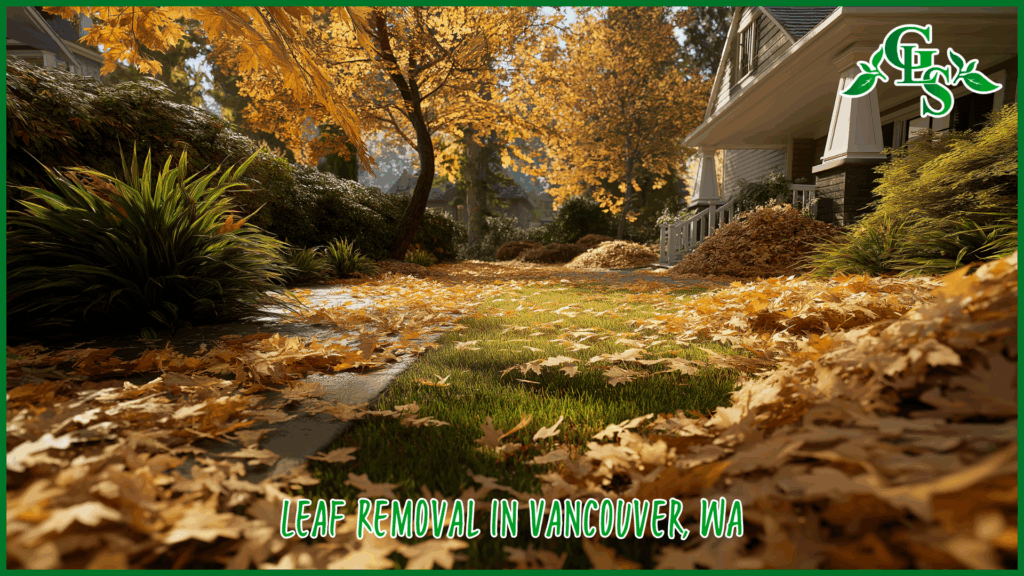
Why Timely Leaf Removal Matters for Lawn Health and Safety
Regular leaf removal keeps your lawn vibrant and healthy. When leaves accumulate, they block sunlight and trap moisture, suffocating the grass underneath. Damp, decaying leaves attract pests such as ticks, mosquitoes, and rodents, posing health risks to your yard and home. Wet leaves on driveways and walkways also increase the risk of slips and falls. Timely removal prevents these problems and helps maintain a safe, appealing landscape. Garcia Landscaping Services provides professional solutions that protect both beauty and safety.
Best Tools for Effective Leaf Cleanup at Home
Rakes
- Types of rakes: Plastic rakes are lightweight and ideal for small yards, while metal rakes handle larger debris and tougher conditions. Ergonomic designs reduce strain during long cleanup sessions.
- Proper use of rakes: Rake in sections, using a gentle sweeping motion to collect leaves without damaging the grass.
Leaf blowers
- Types of leaf blowers: Handheld, backpack, and wheeled models work for different property sizes and needs.
- Proper use of leaf blowers: Blow leaves with the wind into designated piles or onto tarps for easy collection.
Leaf vacuums
- Types of leaf vacuums: Electric models are quieter and better for smaller yards, while gas-powered versions offer stronger suction for larger areas.
- Proper use of leaf vacuums: Move slowly in overlapping passes and empty the collection bag frequently for consistent suction.
Practical Techniques for Easier Leaf Cleanup
Raking techniques
Work downhill and in one consistent direction to keep piles contained. Break your yard into smaller, manageable zones and focus on steady, rhythmic motions. Use long, even strokes that allow you to gather leaves efficiently without tearing up the grass. Periodically stop to stretch and switch sides to prevent back strain. Consider using a lightweight, ergonomic rake to reduce fatigue. For larger lawns, a lawn sweeper or thatch rake can speed up collection while promoting airflow in the grass.
Blowing techniques
Always blow leaves in the direction of the wind for smoother results. Begin at the farthest corner of the yard and gradually guide leaves into a central collection area. Use short bursts rather than continuous airflow for better control. Adjust your blower’s power based on surface type—lower for delicate flowerbeds, higher for open lawns. Work methodically around obstacles, such as garden beds or patios, to prevent re-scattering. For greater efficiency, designate one person to control the blower and another to manage the collection tarp.
Vacuuming techniques
Dry leaves work best for vacuums, as damp debris can clog the intake. Choose a dry day and move in slow, overlapping passes to ensure no patch is missed. Start with larger, visible piles before working into smaller corners. Empty the bag frequently to maintain suction power and prevent overheating. Check for sticks or acorns that may jam the vacuum. For optimal performance, clean filters and inspect hoses after every use to keep the equipment running smoothly.
Choosing Professional Leaf Cleanup Services
While DIY methods can work, hiring professionals saves time and ensures a thorough cleanup. Experts bring commercial-grade blowers and vacuums that remove every layer of debris. Before choosing a service, check reliability, experience, and customer feedback. Pricing varies by yard size and service frequency. Professional teams like Garcia Landscaping Services handle every step efficiently and safely.
Smart Ways to Dispose of Leaves Safely and Responsibly
After collection, proper disposal matters. Composting turns leaves into nutrient-rich mulch that nourishes your soil. Bagging and scheduling curbside pickup offers convenience if local composting isn’t available. Many municipalities run seasonal recycling programs that convert yard waste into sustainable materials. Professionals often handle these steps for you, ensuring your cleanup is both clean and compliant.
Eco-Friendly Leaf Cleanup Options and Their Impact on the Environment
Some cleanup methods can impact the environment through emissions or noise. Sustainable practices like composting or using electric blowers help minimize that footprint. Leaves can even benefit wildlife when managed correctly—acting as natural shelters for pollinators and insects. Integrating eco-conscious approaches keeps your yard tidy and supports a balanced environment.
Did you know? A single inch of wet leaves can smother an entire lawn in just two weeks—suffocating grass roots and altering soil chemistry.
Expert Tips to Make Leaf Removal Faster
- Schedule cleanup before heavy rains to avoid soggy, compacted piles.
- Work with the wind to move leaves efficiently.
- Use large tarps to make transporting piles easier.
- Regular maintenance prevents buildup and reduces workload later.
The Value of Regular Leaf Disposal
Consistent removal improves lawn health, reduces pest risks, and prevents moisture-related damage. Regular upkeep keeps your yard green, clean, and safe year-round. Investing in routine cleanup enhances curb appeal and preserves your property’s long-term value.
Schedule Your Leaf Removal Service Today
Don’t let piles of leaves damage your property or compromise safety. Contact us now for professional leaf cleanup that protects your lawn and boosts curb appeal.
Frequently Asked Questions
How often should I remove leaves from my lawn?
Remove leaves every one to two weeks during peak fall shedding to prevent grass suffocation and pest buildup.
What’s the best time of day for leaf cleanup?
Midday, when leaves are dry and easier to handle, provides the best results.
Should I mulch or bag leaves?
Both methods work well. Mulching returns nutrients to the soil, while bagging keeps lawns spotless in heavily wooded areas.
Do electric blowers work as well as gas-powered ones?
Yes, for smaller yards. Gas-powered blowers are more powerful for large properties but have higher emissions.
What happens if I skip leaf cleanup for a season?
Skipping removal can damage grass, attract pests, and create slippery surfaces that pose safety hazards.